- HoH Presents
- Posts
- Toolbox Tuesday: Creating Logical Magic Systems That Don’t Break Your Plot
Toolbox Tuesday: Creating Logical Magic Systems That Don’t Break Your Plot
How to build enchanting power without unraveling your story

John Harrison
June 10, 2025 • Estimated Reading Time: 6 minutes
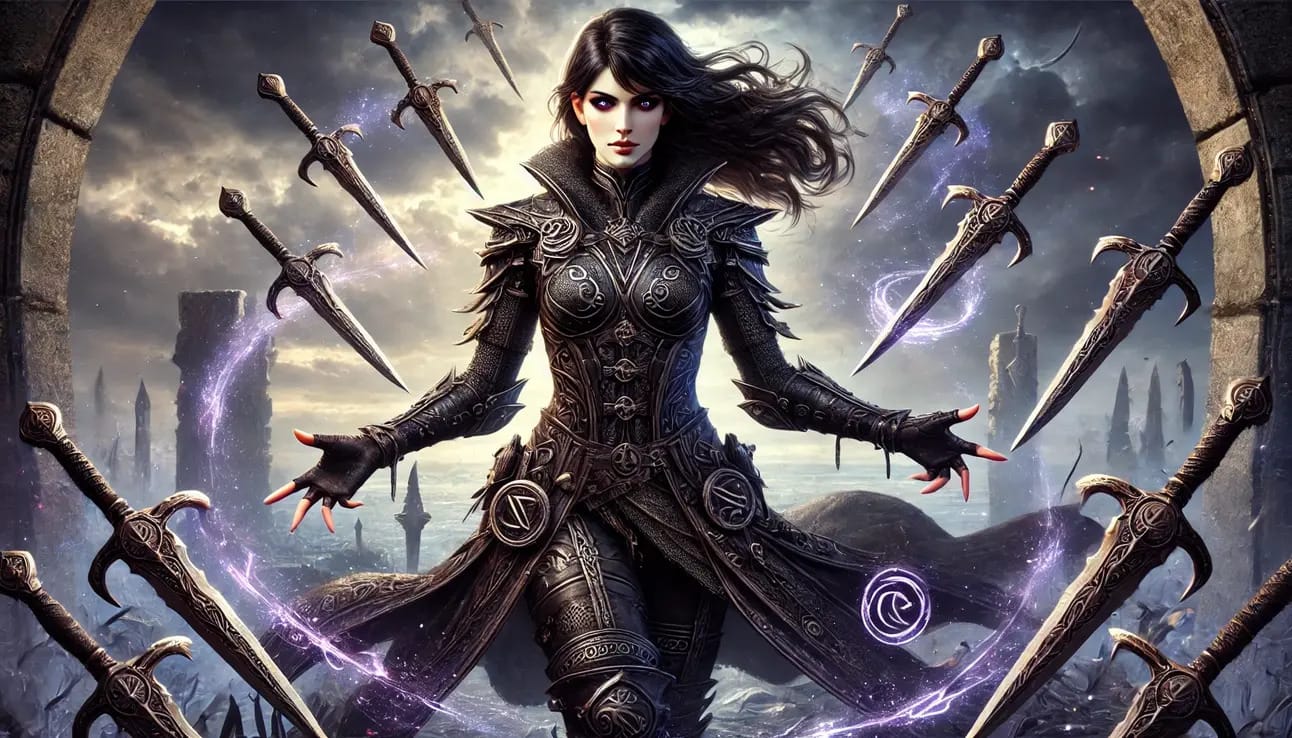
Magic is the lifeblood of many fantasy worlds. It's what lifts us out of the mundane and drops us into realms where fire dances at command, time bends, and the impossible becomes intimate. But for all its allure, magic can be a narrative minefield. Used without structure or foresight, it becomes a deus ex machina—solving problems too conveniently, draining tension, or rendering character decisions meaningless. So how do you craft a magic system that feels real, rooted, and narratively sustainable? Let’s break it down. |  |
The Core Idea: Magic as a System, Not a Shortcut
At its heart, a magic system is just another part of your world’s physics—only cloaked in ritual, mystery, or the arcane. It may shimmer with wonder or hum with hidden peril, but it must still obey the logic of your realm. Just as gravity grounds your characters to the soil and language shapes their culture, magic too must be anchored in cause and effect.
Magic, after all, is a form of narrative gravity. Without rules, it becomes chaos. Without cost, it becomes cheap. And without consequence, it becomes hollow.
A well-structured magic system should answer the unasked questions: Why can this be done? What happens if it is? Who pays the price—and who avoids it? When magic integrates naturally with your society, your politics, your characters’ personal arcs, it ceases to be a gimmick and becomes a living force—an extension of theme and tension alike.
If your world’s economy hinges on spellbound trade routes, then a failed enchantment might collapse an empire. If healing magic drains years from the caster’s life, then every act of mercy becomes a sacrifice. This is where story lives—not in the spectacle, but in the strain.
The more logically your system intertwines with character, setting, and tone, the more real it feels. And when readers can sense those invisible gears turning just beneath the prose, what you’ve built isn't just believable—it's unforgettable.
“The moment you break your own magic rules to save a character, you undercut their agency.” — Brandon Sanderson
Two Approaches: Hard vs. Soft Magic Systems
When designing your fantasy world, one of the most important decisions you'll make is how defined—or undefined—your magic will be. This isn’t just about power levels. It’s about how your magic shapes narrative tension, character agency, and thematic depth.
✦ Hard Magic SystemsStructured • Predictable • Rule-Bound Hard magic operates like science—it has rules, boundaries, and consistent consequences. The reader knows what’s possible, which means tension often arises from how cleverly the magic is used rather than whether it will work at all. Key Traits:
Example: Mistborn by Brandon Sanderson Why Use It? | ✦ Soft Magic SystemsMysterious • Thematic • Mythic Soft magic is closer to mythology than science. It’s not about rules; it’s about resonance, atmosphere, and wonder. The unknown is its power—and its purpose is often symbolic or narrative, not mechanical. Key Traits:
Example: The Lord of the Rings by J.R.R. Tolkien Why Use It? |
✦ Hybrid Magic Systems
A Balance of Rules and Mystery
Most modern fantasy blends elements of both systems. Hybrid magic offers structure where needed, but retains mystery to preserve tension and awe.
Key Traits:
Some rules are explained, but not all
Magic is both a tool and a mystery
Supports both strategic storytelling and mythic resonance
Example: Earthsea by Ursula K. Le Guin
Magic is structured around true names—knowing a thing’s name grants power over it. But beneath the logic is a deep current of philosophy and balance. The reader senses boundaries without having them fully mapped, and that ambiguity serves the story’s moral complexity.
Why Use It?
Ideal when you want readers to feel grounded in the world, but still surprised by it. Hybrid systems are flexible and emotionally textured.
✧ Writer’s TipBefore writing, ask:
Each approach isn't just a storytelling choice—it's a thematic one. How your magic works should reflect what your story is trying to say. | 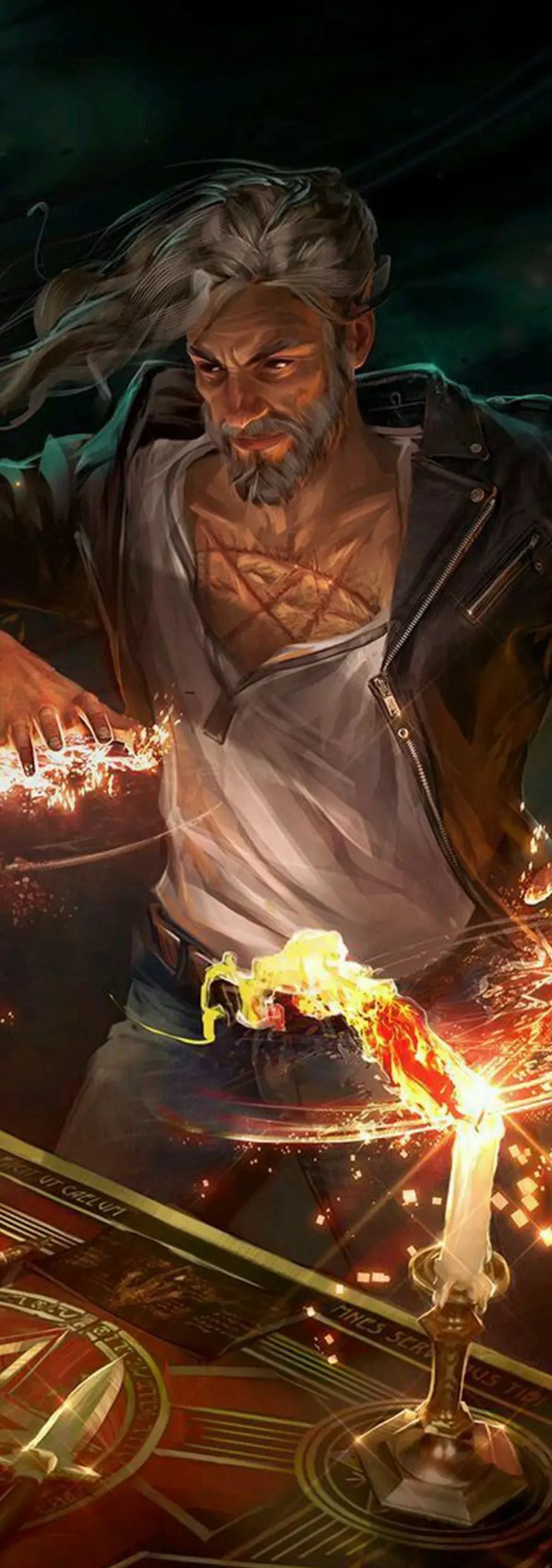 |
Avoiding the Plot-Breaker Trap
Magic is seductive. It can solve problems, elevate drama, and unleash awe. But if left unchecked, it can undo your story’s stakes. The danger? You build a system so potent, so loosely defined, that it breaks the tension you’ve spent chapters crafting.
Where Many Writers Stumble
The core issue arises when magic becomes the easy answer instead of a meaningful challenge. Here are common pitfalls that weaken narrative integrity:
Magic Without CostIf spells can be cast freely with no toll—no fatigue, sacrifice, risk, or resource depletion—then characters face no real consequence for using them. Why not just magic your way out of every danger? ✅ Fix: Tie magic use to personal, physical, emotional, or societal cost. Maybe it shortens the caster’s lifespan, drains their memories, or risks exposure to dark entities. | Sudden Power UpgradesA character unlocking new abilities mid-conflict can work—if earned. But if it feels unearned or convenient, it reads like a cheat code. ✅ Fix: Foreshadow growth. Training arcs, ancestral lineage, hidden knowledge—whatever the mechanism, build a clear path to the power. Let growth feel like revelation, not relief. |
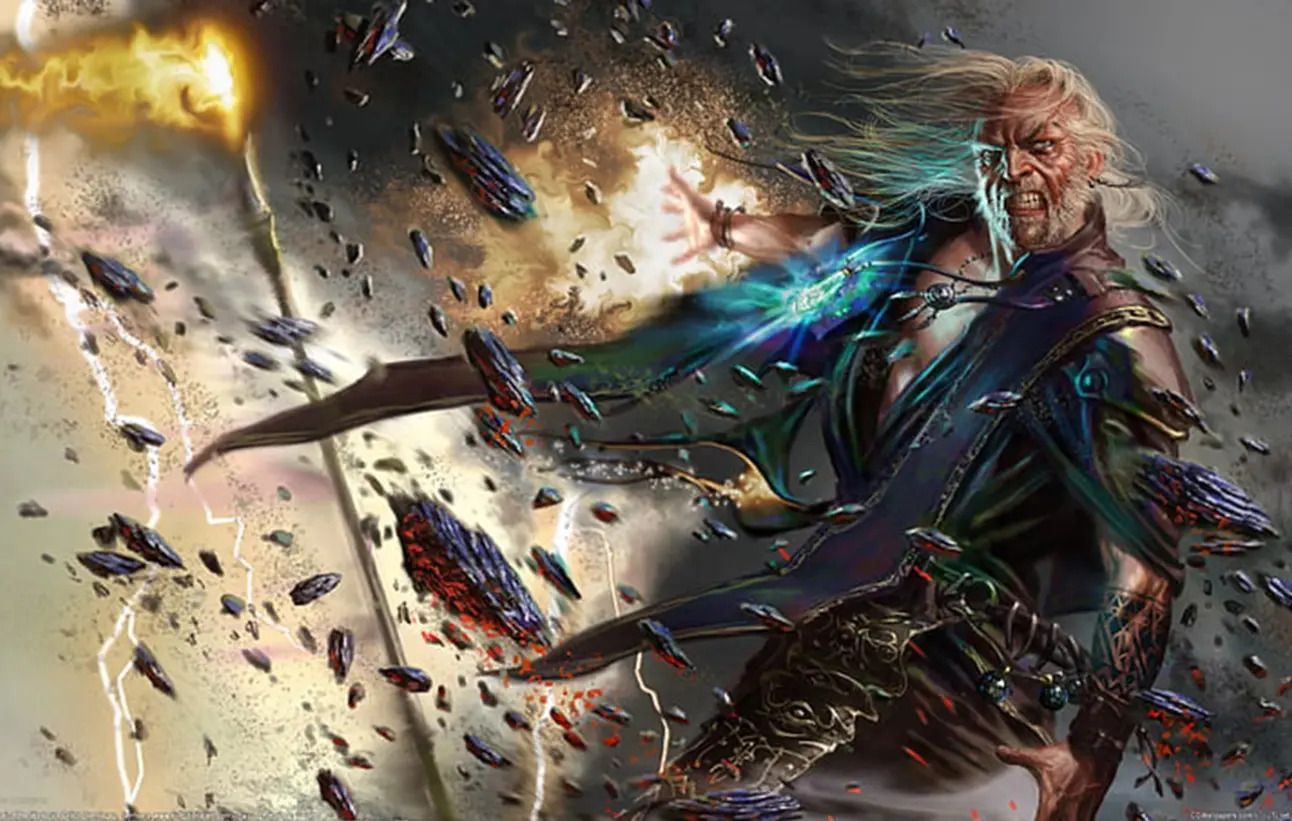
Ignoring Established LimitationsYou say magic can't raise the dead—until it does. You say teleportation is rare—until the hero uses it to skip over half the plot. If your rules are mutable only for convenience, readers will notice. ✅ Fix: Write your rules down. Stick to them. If you break them, break them with consequence. A law of magic should feel as real as gravity. Defying it should echo. | Overpowered, Unrelatable CharactersWhen a protagonist can incinerate armies or stop time with no struggle, they stop being human. And human connection is what keeps readers turning pages. ✅ Fix: Balance power with vulnerability. Maybe the hero’s magic is strong, but their relationships are fractured, or their morality is in flux. Great power should create complexity, not erase it. |
The Real Solution: Boundaries That Serve the Story
🎯 Set rules early—and live by them.
Even if readers don’t know all the details, you should. Consistency is what earns trust.
🎯 Use magic as a tool, not a crutch.
Magic should raise stakes, not flatten them. It should complicate decisions, not nullify them.
🎯 Let magic challenge your characters.
Make it dangerous. Make it rare. Make it seductive. Most importantly—make it meaningful.
Think of magic as a double-edged blade: it’s not just what it can do for your hero. It’s what it can do to them.
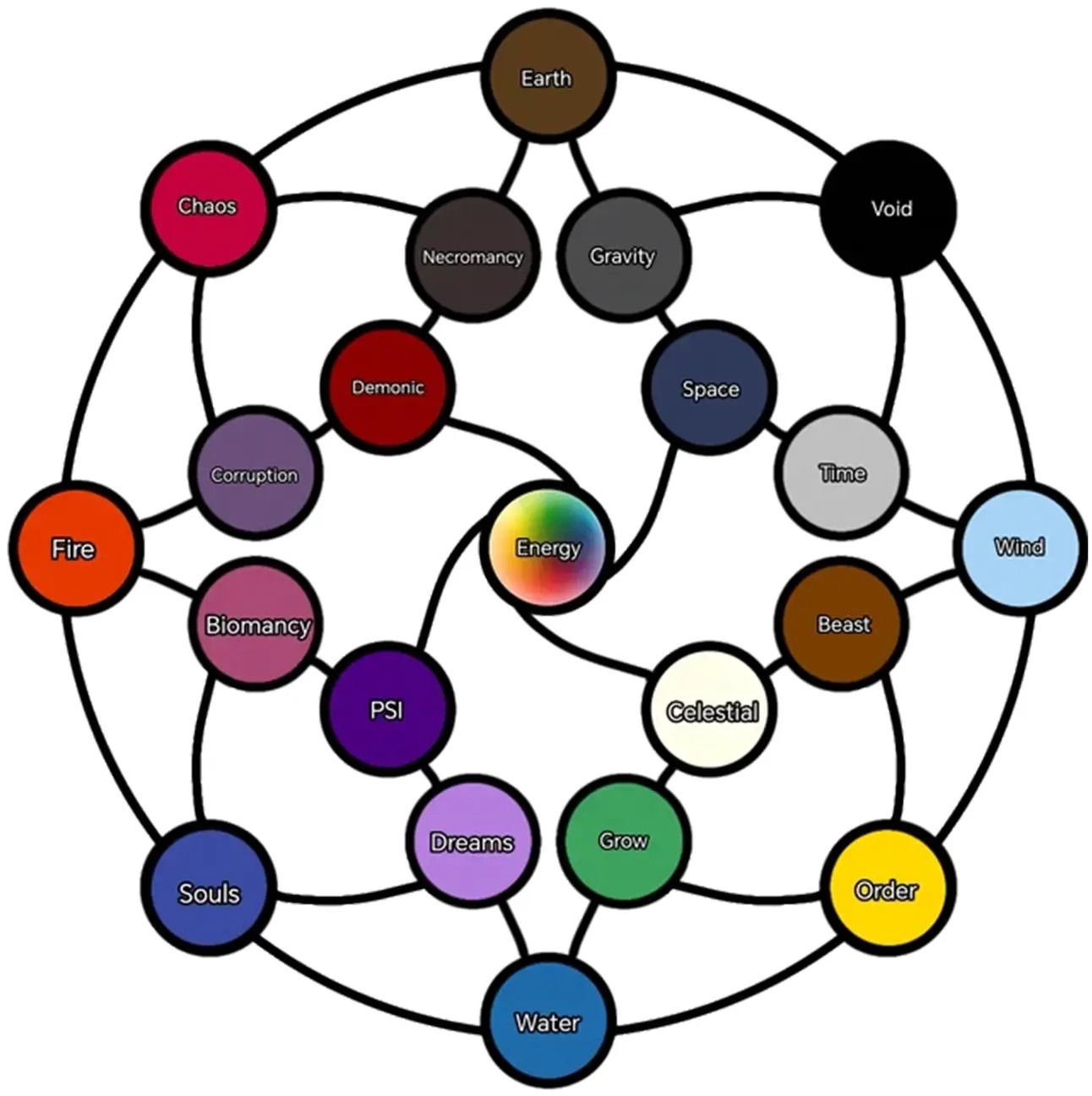
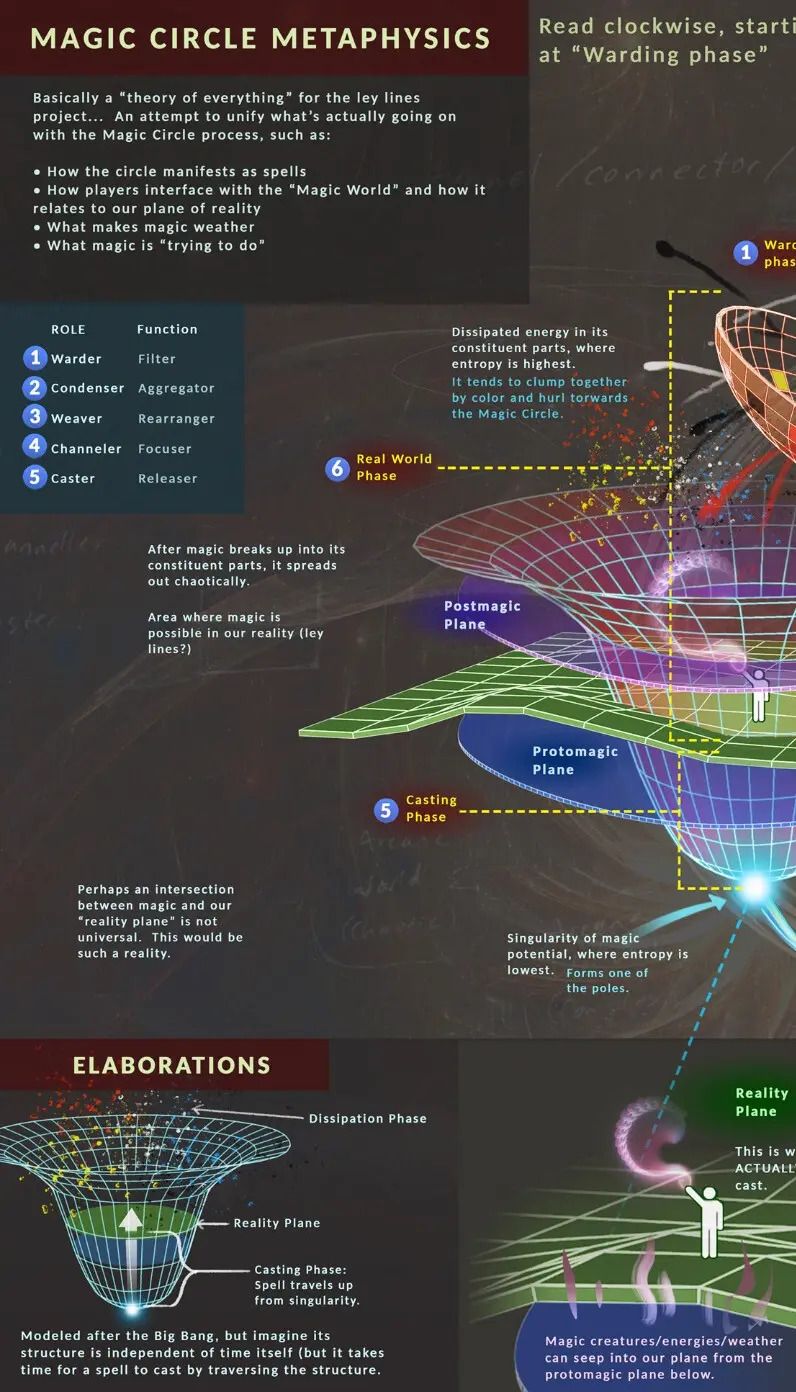
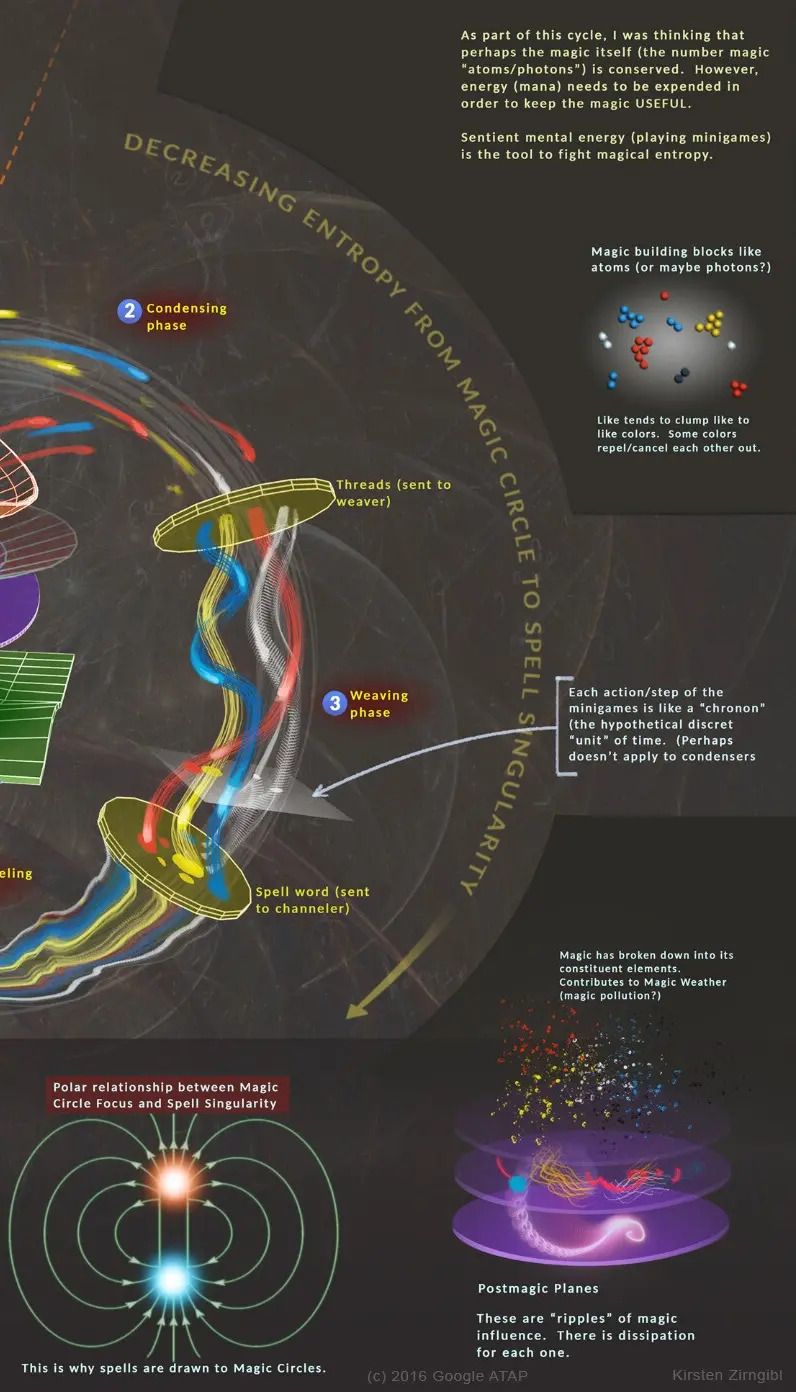
The 5-Fold Magic System Design Checklist
Use this to design your system—and stress-test it against your plot.
1. Source – Where does magic come from?
Divine, elemental, internal, technological?
Is it accessible to everyone?
2. Rules – What can it do—and not do?
Are spells spoken or felt?
Is it limited by energy, time, knowledge?
3. Cost – What does it take to use magic?
Physical exhaustion? Blood? Memory? Life force?
4. Consequences – What are the risks?
Does overuse cause madness?
Are there political or societal taboos?
5. Integration – How does it affect society?
Are there magical schools, economies, hierarchies?
How do non-magical people view magic users?
 |  |
Tools to Help You Build & Test Your Magic System
Magic System Worksheet Template
Section | Questions |
|---|---|
Origin | What fuels magic? Is it renewable? |
Access | Who can use it, and how do they learn? |
Capabilities | What are the core magical abilities? |
Limits | What can it not do? |
Cost | What price is paid for power? |
World Impact | How does this shape politics, culture, religion? |
Tips from the Masters
Sanderson’s First Law: “An author’s ability to solve conflict with magic is directly proportional to how well the reader understands said magic.”
Le Guin’s Rule of Balance: Magic always demands equilibrium—using it disrupts that.
Pratchett’s Perspective: Use magic to explore human nature, not just spectacle. In Discworld, magic often illuminates societal absurdities.
FINAL THOUGHTS
Magic That Serves the Story
Magic, when done well, doesn’t replace conflict—it deepens it. It’s not a cheat code, but a living part of your world, just like politics, geography, or culture.
Let your characters struggle with its limits. Let them misuse it. Let them fear it.
Remember, magic should challenge your characters—not just your readers’ imaginations.
Ready to Build? Start Here:
✅ Brainstorm three unique limitations
✅ Write a scene where the magic fails
✅ Create a character who distrusts magic
✅ Design a historical event shaped by magical misuse
Did This Magic Stir Something in You?
If the whisper of fire-forged worlds and the weight of invisible laws moved through your thoughts—if your heart recognized the spark of stories where power is earned, and wonder has a cost—consider passing it on.
You might:
🔸 Share it with a fellow worldbuilder who's wrestling with the weight of arcane rules
🔸 Post your favorite line or tip with the tag #FantasyFriday
🔸 Or name us directly: @HoHPresents
Because some of us still believe magic should mean something. That systems can be sacred. That stories are spells—and those who tell them are keepers of a deeper lore.
-The HoH Presents Family
Reply