- HoH Presents
- Posts
- The Silent Reveal: How to Expose Character Secrets Through Action Alone
The Silent Reveal: How to Expose Character Secrets Through Action Alone
When words don’t speak, let the sword—or silence—tell the story.

John Harrison
July 15, 2025 • Estimated Reading Time: 11 minutes
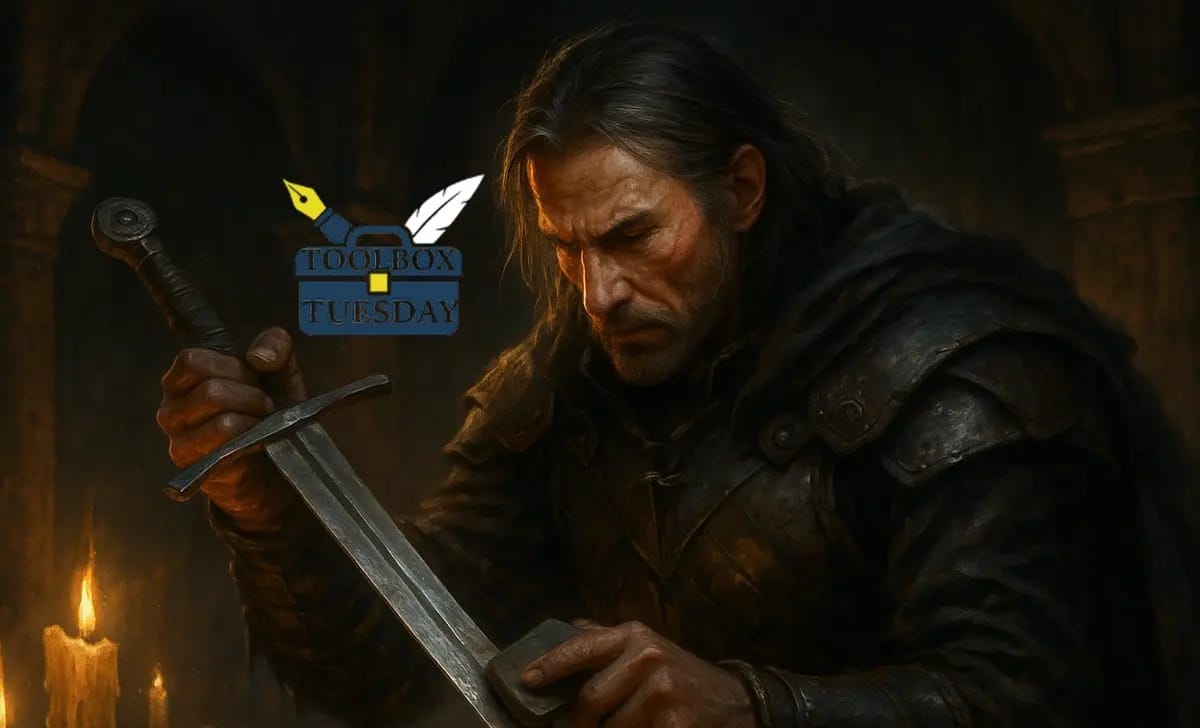
What a character says can be powerful—but what they do is unforgettable. Some secrets should never be spoken aloud—and the best ones rarely are. In fantasy especially, truth has a different weight. It doesn’t always arrive wrapped in dialogue or monologue. Sometimes it shows up in the tremble of a hand before battle. In a refusal to enter a temple. In the way a hero sharpens every weapon but one. These are the reveals that stick with us—not because a character told us something, but because they couldn’t. When done right, revealing a secret through action alone is one of the most powerful tools in your writer’s arsenal. It’s immersive. It’s emotional. And it lets the reader feel like they discovered something no one else was supposed to see. Fantasy is built for this kind of storytelling. Swords speak louder than confessions. A single glance might carry a century’s worth of grief. In a world where people carry trauma, power, and legacy on their backs, actions often speak the language of truth far better than words ever could. In this blog, we’re digging into how to use that silence with intention—how to craft scenes where your character’s actions betray their secrets. I’ll walk you through specific, story-driven techniques and examples from some of fantasy’s finest so you can build character moments that don’t just reveal… they resonate. These are the tools that turn a good character into an unforgettable one. |  |
Why Use Actions Instead of Dialogue?
So why go through all this effort? Why not just have your character spill their secret in a quiet conversation or dramatic outburst?
Because action does more than tell—it proves. When you reveal a secret through behavior instead of dialogue, you invite your reader to participate. You let them pick up on the signs, follow the breadcrumbs, and feel the weight of the reveal in real time. It’s not just about subtlety—it’s about power, tension, and emotional payoff.
Here’s why letting your character’s actions do the talking is one of the smartest moves you can make.
1. Subtlety Breeds Intrigue
A spoken confession is clear—but often too easy. Showing a secret through behavior demands more from your reader and rewards them with discovery.
2. Consistency With World and Character
Not every character is open or emotionally aware. Some can’t afford to speak freely—whether due to trauma, culture, or circumstance. Showing their secret through action keeps the reveal grounded in their truth.
3. Emotional Punch
Actions tap directly into the reader’s emotions. A betrayal, a hesitation, a refusal to look someone in the eye—these hit harder than even the most poetic admission.
Examples in Action: How the Masters Reveal Secrets Without a Word
We’ve talked about why this technique works—and how to do it—but now let’s see it in the wild. The best fantasy authors know that a character’s silence, hesitation, or reflex can speak volumes. These moments don’t just move the plot—they expose who a character really is when no one’s watching.
Here are four powerful examples of character secrets revealed entirely (or almost entirely) through action.
Arya Stark’s Identity Crisis – A Song of Ice and Fire by George R.R. MartinWhen Arya joins the Faceless Men, she’s told to let go of her past. To become “no one.” But she clings to her sword, Needle, hiding it in the rocks outside the House of Black and White. She never says outright, “I can’t let go of who I am,”—but she doesn’t have to. That hidden blade is her secret, and her refusal to part with it reveals her unspoken truth: Arya Stark still lives beneath the mask. The takeaway: Objects can act as anchors to identity, revealing secrets your character won’t admit even to themselves. Kvothe’s Hidden Past – The Name of the Wind by Patrick RothfussThroughout the story, Kvothe avoids talking about certain parts of his past. But his reluctance isn’t just verbal—it’s behavioral. He dodges questions, changes subjects, and controls his environment obsessively. Most tellingly, he constantly watches for threats even in safety. These quiet behaviors hint at trauma, paranoia, and secrets far deeper than the tale he tells. The takeaway: Avoidance, silence, and overcompensation are behavioral breadcrumbs that lead to a hidden truth. | FitzChivalry’s Loyalty and Pain – The Farseer Trilogy by Robin HobbFitz rarely speaks his mind—especially when it comes to love, pain, or his loyalty to the Fool. But every time he risks himself to protect those around him, even when it destroys him, his actions shout what his words never could. His decisions—rash, self-sacrificing, deeply human—reveal a man haunted by guilt and fiercely loyal, even when silence costs him everything. The takeaway: Consistent self-sacrifice is often a louder confession than a teary monologue. Kaladin’s PTSD – The Stormlight Archive by Brandon SandersonKaladin doesn’t explain his fear of heights. He doesn’t announce his trauma. But when he has to walk across open bridges high above the ground, he panics. His breathing shortens. He freezes. These physical responses expose his internal scars long before he ever puts them into words. And when he does eventually speak of it, the reveal is more powerful because we already knew—we saw it. The takeaway: The body tells the story when the mind can’t. Let physical reactions carry the emotional weight. |
Let the Silence Speak
Each of these examples shows just how deep a story can go when a character doesn’t speak their truth—but shows it. Secrets revealed through action create a visceral connection between the reader and the character. They feel earned. Intimate. Human.
You don’t have to overwrite. You just have to observe. What would this character do when their secret comes to the surface? What would they avoid? Cling to? Protect?
Let the reader see it—then trust them to understand.
Ready to put it to work? Start with one of your characters right now. What are they hiding, and how would their actions give it away?
Sometimes the truth doesn’t come in words—it shows up in a trembling hand, a sword left untouched, or the silence that follows a name.
Rolling the Truth: Using This Technique in TTRPGs
This isn’t just a novel-writing trick. Revealing character secrets through action—not dialogue—is pure gold at the tabletop.
In role-playing games, characters are the story. The secrets your players carry aren’t just flavor text tucked in a backstory—they’re landmines waiting to go off at the right moment. And when those secrets come out in the things they do—in the way they hesitate, in what they refuse to explain—it doesn’t just pull players deeper into the fiction. It locks them in.
At the table, silence creates tension. Behavior builds mystery. And the reveal, when it finally comes? Hits ten times harder because everyone felt it coming, but no one knew why.
For GMs: Let NPCs Show, Not TellAs the Game Master, your NPCs are more than quest givers. They’re living pieces of the world—and their secrets can shape entire arcs. But don’t monologue them to death. Let the players see the secret.
You don’t need to explain it. Let them wonder. Let them dig. Curiosity is a stronger hook than exposition will ever be. | For Players: Let Your Secrets Bleed Into BehaviorIf you’re playing a character with a secret—and let’s be honest, you should be—don’t announce it in a campfire scene. Let it simmer in your actions.
These aren’t quirks. They’re narrative pressure points. Don’t break them open too soon. Let the table notice. Let them ask. Let them guess wrong—until the truth finally slips out in a moment of stress or desperation. |
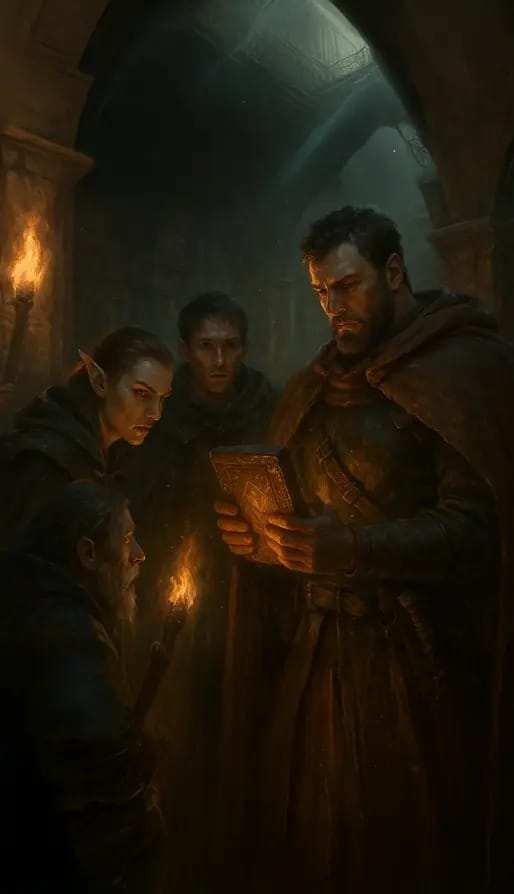 | In-Game Example: The Quiet BetrayalImagine you're running a Dungeons & Dragons campaign. The party discovers an ancient relic—cursed, dangerous, and bound to a forgotten god. Everyone agrees it should be destroyed. Except the Warlock. He hesitates. Holds it just a little too long. His voice shakes when he says it should be kept safe. He offers no logic. No argument. Just a tight jaw and a strange, far-off look in his eye. Right there—in that one silent beat—you’ve said everything. Is it from his past? Is he connected to the god? Is it already speaking to him? You haven’t said a word. But the table’s attention is locked in. |
Why It Works at the Table
When secrets are revealed through action, your players don’t just hear the story—they uncover it. They live it. That’s how good sessions become great ones. That’s how character arcs take on lives of their own.
And it works both ways. As a GM, you build a world that breathes. As a player, you create tension that begs to be resolved.
In a game where dice decide fate, this is one of the few storytelling tools completely under your control.
So next session, try holding something back. Don’t say it. Show it. Then watch what happens.
Writing Techniques to Reveal Secrets Through Action
Knowing why this technique works is only half the spell—the real magic is in how you cast it. It’s one thing to say “show, don’t tell,” but when it comes to revealing secrets through action, you need more than good instincts. You need tools. Structure. A sense of timing.
This is where craft meets intuition.
Below, you’ll find specific techniques designed to help you turn silent gestures, strange habits, and split-second decisions into storytelling gold. These aren’t just tricks—they’re narrative pressure points, each one capable of cracking open your character’s truth without a single line of dialogue.
1. Let the Body Betray the MindA character might appear composed, but physical habits can betray inner turmoil. Technique: Micro-expressions and tells
Fantasy Example: | 2. Use Repetition—and the Break From ItPatterns show who someone is. Deviations show who they were, or who they’re afraid to become. Technique: Establish a routine, then break it
Fantasy Example: |
3. Reveal Through Object InteractionThe way a character handles objects—especially mundane ones—can be deeply revealing. Technique: Let objects evoke memory or dread
Fantasy Example: |  |
4. Let Relationships Expose the TruthSometimes what a character doesn’t do speaks loudest—especially in relationships. Technique: Use reaction and withdrawal
Fantasy Example: | 5. Create a Delayed RevealActions that seem odd or contradictory in the moment take on new meaning when the reader learns the secret later. Technique: Plant now, pay off later
Fantasy Example: |
 | How to Practice This in Your WritingKnowing the technique is one thing. Using it—living it in the scene—is where your craft sharpens. Revealing a secret through action takes more than theory. It takes intent. Observation. The willingness to write quietly and let the silence do the talking. This section gives you practical, repeatable ways to bring this skill into your writing routine. Whether you’re revising an old scene or drafting something new, here’s how to build moments that whisper the truth without ever speaking it aloud.
|
What you do speaks so loudly that I cannot hear what you say.
Common Pitfalls to Avoid
Revealing secrets through action is a subtle art—but like any good magic, it can backfire if miscast. Here are a few traps to watch for when working this technique into your writing:
❌ Being Too VagueSubtlety doesn’t mean obscurity. If your reader can’t connect the dots—or worse, doesn’t even know there are dots—you’re not building mystery, you’re just hiding the story. Fix it: Leave a trail. Actions should hint, suggest, or echo the truth. Let your reader feel like they’re almost figuring it out… and then surprise them with how close they were. ❌ Overloading the SymbolismNot every twitch, object, or hesitation needs a hidden meaning. If everything is loaded with subtext, nothing feels important. Fix it: Choose one or two key behaviors or symbols tied to your character’s secret. Let those actions stand out through repetition or contrast—not volume. ❌ Breaking Character LogicIf the secret forces your character to act in ways that feel inconsistent or out-of-genre without justification, it can shatter immersion. Fix it: Anchor the behavior in the character’s psychology. Even when hiding something, their choices should make emotional sense. Secrets don’t override character—they reveal it. | ❌ Forgetting the PayoffA slow reveal is powerful—but only if it pays off. If your character shows strange behavior for chapters and nothing ever comes of it, readers will feel misled. Fix it: Build toward something. Even if the secret isn’t fully revealed, give the reader emotional closure—a choice, a consequence, a shift in the relationship that proves the secret mattered. ❌ Telling AnywayThis one’s sneaky. You think you’re showing the secret through action… but then your character has a reflective moment, a sudden confession, or a “memory monologue” that spells it all out. Fix it: Trust the silence. Trust your reader. If you’ve done the groundwork, they’ll feel the weight of the moment without needing a neon sign. Hold back. Let the tension breathe.  |
Done right, this technique doesn’t just add depth—it reshapes how readers interact with your story. Avoiding these pitfalls ensures your reveals land not just with clarity, but with power.
Want a quick reference version of this for writing groups or teaching? I can distill it into a one-pager or checklist.
FINAL THOUGHTS
Actions Echo Louder Than Words
In fantasy, where so much is said through prophecy, prophecy, and power, silence can be the most potent voice of all. Secrets told through actions don’t just reveal—they immerse. They pull readers in, force them to read between the lines, and let them become part of the story.
So the next time your character has a hidden truth, don’t write the speech. Write the stumble. The scar. The moment their hand won’t let go of the past.
And let the silence say everything.
Ready to Let the Silence Speak?
Now it’s your turn. Revisit a scene you’ve written—or a moment you’ve played at the table—and ask yourself:
What is your character hiding that they’ll never say out loud?
What moment would make their secret slip—a hesitation, a ritual, a refusal?
What object do they keep close? What name do they never speak?
And what would happen if someone noticed?
Try rewriting a moment of emotional tension—not with a confession, but with a crack. A glance held too long. A hand that won’t stop shaking. Let the secret bleed into the scene, unspoken but undeniable.
Because secrets aren’t just backstory.
They’re weight. They’re fear. They’re everything your character won’t say—until they can’t help it.
Did Something Shift Beneath the Surface?
If this technique stirred something in you—if you found yourself recognizing your characters in those silences—you’re just scratching the surface.
You could:
🔹 Share this blog with a fellow writer or GM ready to dig deeper into their character work
🔹 Post your favorite “silent reveal” moment using #SecretsThroughAction
🔹 Tag us @HoHPresents so we can celebrate the quiet tension with you
At HoH Presents, we believe the most powerful moments don’t shout.
They tremble. They freeze. They turn away when it matters most.
So write it. Let it haunt. Let it echo long after the page ends. Because your story doesn’t begin with what your characters say.
It begins with what they can’t.
-The HoH Presents Family
Reply